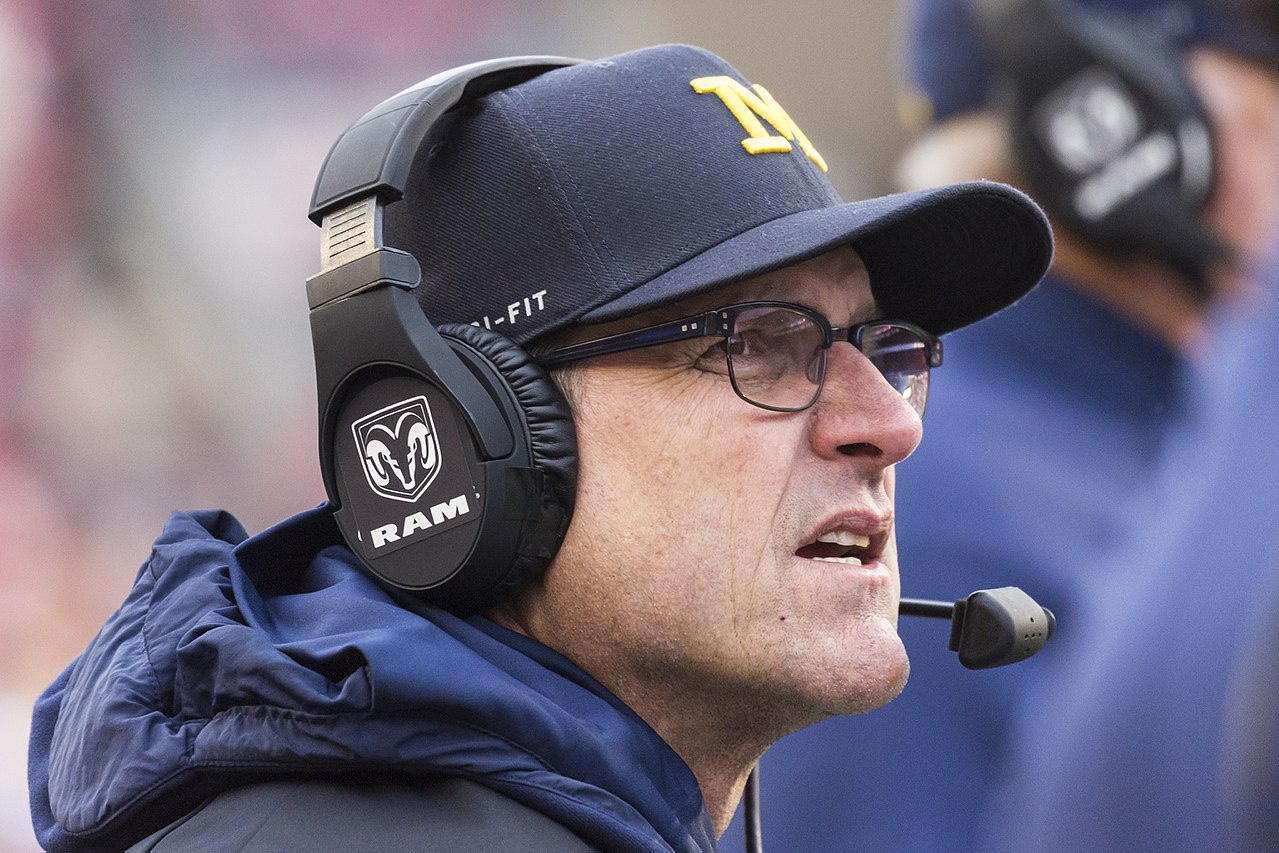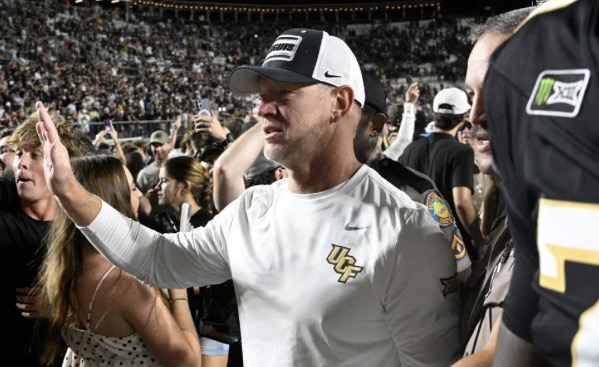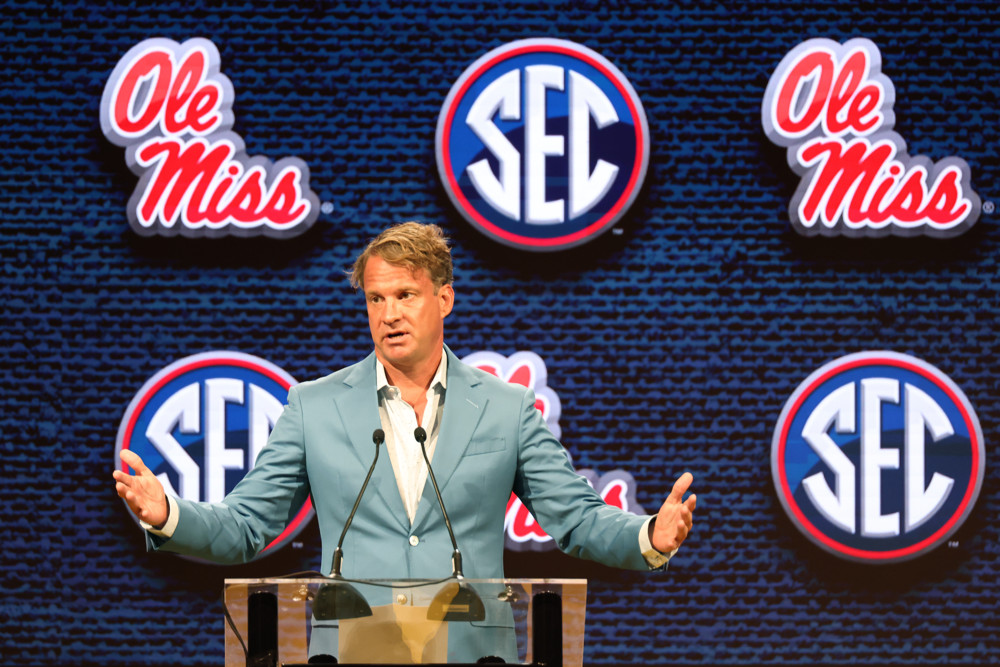
Lane Kiffin, the head coach of the Ole Miss Rebels, is no stranger to controversy. At the recent SEC media days, Kiffin took the opportunity to express his strong opinions on the current state of college football. He didn’t hold back when discussing the impact of the Name, Image, and Likeness (NIL) policy and the transfer portal, calling the situation a “disaster.”
The Unintended Consequences of NIL
Kiffin began his remarks by acknowledging that he supports players getting paid through NIL deals. However, he believes that the unintended consequence of NIL is a “pay-for-play” system that has turned college football into a professional sport. According to Kiffin, this system leads to players following the money and teams with deeper pockets attracting the best talent.
Kiffin compared the situation to professional sports, highlighting the lack of a salary cap or luxury tax in college football. He expressed concern over the impact this has on coaches and the numerous issues they face as a result. Despite his reservations, Kiffin admitted that Ole Miss takes advantage of the free agency-like environment created by the transfer portal.
The Rise of the Transfer Portal
Kiffin didn’t shy away from criticizing the transfer portal, which he referred to as “free agency” in college football. Unlike professional sports, where players have limited opportunities to enter free agency, college players can now enter the transfer portal twice a year during the spring and winter transfer windows. This has led to what Kiffin described as “massive overhauls of rosters every year,” which he believes is detrimental to the sport.
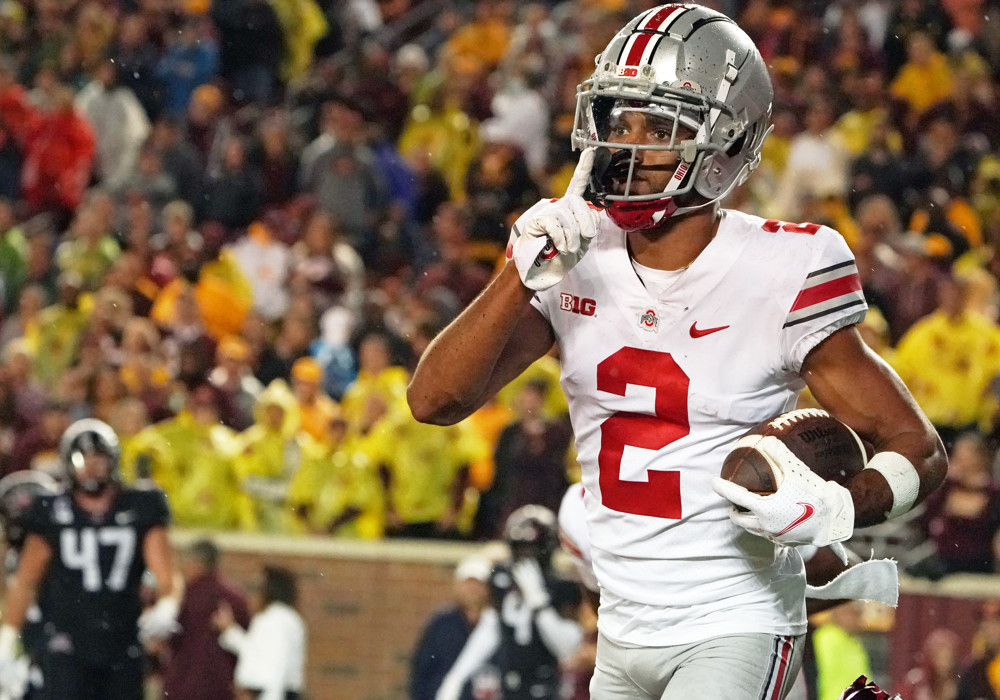
Ole Miss has been actively participating in the transfer portal, adding high-profile transfers such as Jaxson Dart, Spencer Sanders, and Walker Howard to their roster. Kiffin acknowledged that this is the reality of college football today, but he emphasized that it’s not necessarily in the best interest of the sport.
The Need for Change
Kiffin believes that the current system of NIL and the transfer portal is flawed and needs to be addressed. He expressed concern that recruiting rankings will increasingly be influenced by which schools are willing to offer the most money to players. Kiffin argued that this creates an unfair advantage for schools with generous donor bases and further exacerbates the issues within college football.
While Kiffin acknowledged that his team has benefited from the current system, he stressed that it’s not a sustainable model for the sport. He called for a fix to the system, emphasizing the need for a more balanced and regulated approach to NIL and transfers.
The Impact on College Football
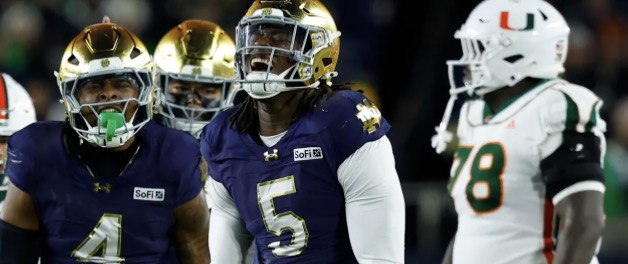
Kiffin’s outspoken views on NIL and the transfer portal highlight the growing concerns within the college football community. The introduction of NIL has undoubtedly changed the landscape of college sports, allowing athletes to profit from their name, image, and likeness. However, the unintended consequences, such as the “pay-for-play” environment and the free agency-like nature of the transfer portal, have raised questions about the long-term health and integrity of college football.
The surge in transfers and roster turnover can disrupt team chemistry and continuity, making it challenging for coaches to build consistent and competitive programs. Additionally, the emphasis on financial incentives may overshadow the true purpose of college athletics and the development of student-athletes.
The Need for Regulation and Reform
Kiffin’s remarks shed light on the need for regulation and reform within college football. While the NIL policy provides opportunities for athletes to benefit financially, there must be guidelines in place to ensure fairness and prevent abuse of the system. Similarly, the transfer portal should be monitored to maintain the integrity of collegiate sports and discourage excessive roster turnover.
College administrators have been advocating for federal legislation to establish a comprehensive framework that addresses the challenges posed by NIL and transfers. The goal is to strike a balance between allowing athletes to profit from their NIL rights while maintaining the essence of amateurism and promoting the overall health of college football.
The Road Ahead
As college football continues to evolve, it is crucial to find a middle ground that addresses the concerns raised by Lane Kiffin and other coaches. Additionally, measures should be implemented to ensure that the transfer portal is not exploited, maintaining stability within teams and promoting fair competition.
While the current state of college football may be viewed as a “disaster” by some, it presents an opportunity for reflection and positive change. By working together, stakeholders can find solutions that strike a balance between the financial interests of athletes and the long-term health of collegiate sports.
In conclusion, Lane Kiffin’s candid remarks on the state of college football have sparked a much-needed conversation about the impact of NIL and the transfer portal. As the landscape continues to shift, it is crucial to find a way to preserve the essence of college athletics while adapting to the changing demands and opportunities of the modern era.