The landscape of college football is undergoing a significant transformation with the recent news of the Big Ten Conference expanding its reach by adding two powerhouse programs, the Oregon Ducks and the Washington Huskies. This move comes on the heels of USC and UCLA’s planned departure from the Pac-12 to join the Big Ten, solidifying the conference as a force to be reckoned with in the college football world. As the realignment of conferences continues to shape the future of the sport, let’s delve into the details of this exciting development.
The Big Ten’s Growing Ambitions
The Big Ten has always been one of the premier conferences in college football, known for its rich history and top-tier football programs. However, the conference is not content with resting on its laurels. In a bold move, the Big Ten has set its sights on expansion, aiming to become the largest conference in college football history.
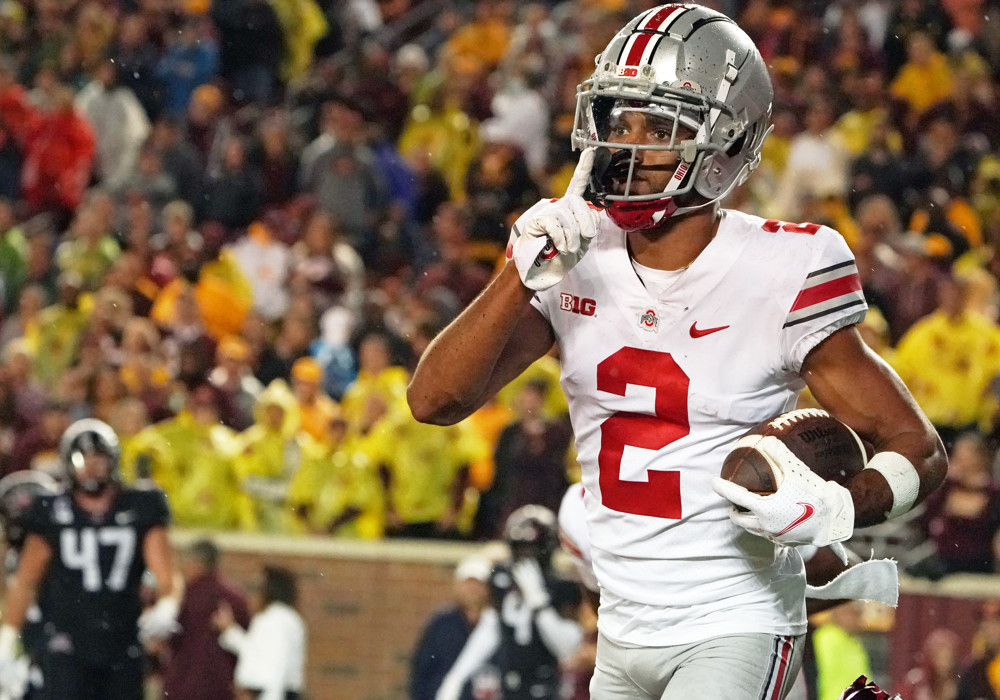
With the addition of Oregon and Washington, the Big Ten will grow to 18 members, surpassing any other conference in terms of size. This expansion signals the conference’s commitment to remaining at the forefront of college football and solidifying its status as a powerhouse in the sport.
The Departure of Oregon and Washington from the Pac-12
The decision by Oregon and Washington to leave the Pac-12 and join the Big Ten is a significant blow to the Pac-12 conference. These two schools, both charter members of the Pac-12 dating back to 1915, have been pillars of the conference for over a century. However, the allure of the Big Ten and its potential for growth and financial stability proved too enticing to resist.
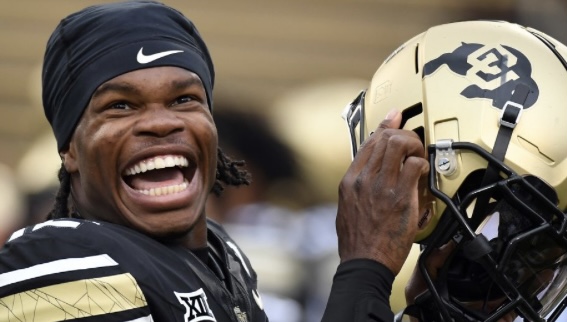
The departure of the Ducks and Huskies marks the fifth and sixth schools to leave the Pac-12 in the past 13 months, following in the footsteps of Colorado, USC, and UCLA. This exodus of key programs from the Pac-12 raises concerns about the future viability of the conference and its ability to compete on a national level.
Financial Considerations and Media Rights
While the move to the Big Ten presents exciting opportunities for Oregon and Washington, it does come with financial implications. The exact details of the financial arrangements between the schools and the Big Ten are yet to be disclosed. However, it is expected that the Ducks and Huskies will receive a partial share of the conference’s media rights revenue, at least initially.
The Big Ten’s media rights deals with FOX, CBS, and NBC are highly lucrative, providing substantial financial benefits to member schools. Although Oregon and Washington may not receive full shares initially, their move to the Big Ten is expected to result in increased revenue compared to their previous affiliation with the Pac-12.
Impact on the Pac-12 and Potential Conference Realignment
The departure of Oregon and Washington from the Pac-12 further weakens the conference and raises questions about its future. With the recent moves by USC, UCLA, and now these two schools, the Pac-12 is left with a dwindling number of members and a significant void to fill.
Reports suggest that other Pac-12 schools, such as Arizona, Arizona State, and Utah, are also considering moves to other conferences, with the Big 12 being a potential destination. If these departures were to materialize, it would leave the Pac-12 in a precarious position, with only a handful of remaining members.
The possibility of a conference realignment or even a merger with another conference, such as the Mountain West, has been discussed. These potential changes could reshape the landscape of college football, creating new rivalries and matchups while also raising concerns about the future of traditional conference affiliations.
The Future of the Big Ten: Further Expansion and Potential Candidates
With the addition of Oregon and Washington, the Big Ten must now decide whether to stay at 18 schools or explore further expansion. Reports indicate that the conference is considering adding Stanford and Cal, two prestigious institutions from the Pac-12, to its ranks. Additionally, there are rumors of potential additions from the ACC, should any schools decide to leave.
While Notre Dame has been a top expansion candidate for the Big Ten, the Irish have shown no indication of giving up their independent status. However, with the ever-changing landscape of college football, anything is possible, and the Big Ten remains open to further growth and strengthening its position as a dominant force in the sport.
Excitement and Controversy Surrounding Conference Realignment
The news of the Big Ten’s expansion and the subsequent realignment of conferences has elicited mixed reactions from fans and experts alike. Traditionalists bemoan the changes, lamenting the potential loss of longstanding rivalries and the disruption of annual matchups. However, others view this transformation as an opportunity to create a more competitive and engaging college football landscape.
The shift in conference alignments brings the promise of increased competition, with the best teams facing off against each other more frequently. This could lead to a reduction in watered-down regular season schedules, characterized by multiple lopsided matchups. While some may mourn the loss of familiar traditions, others embrace the potential for a more exciting and dynamic college football experience.
Competition Matters
Regardless of whether you like it or not, these changes are happening. So forget your feelings and embrace the new reality of College Football. Let’s not pretend any significant amount of people will actually stop watching the games as a result of their displeasure with these recent changes. Apparently they love watching lopsided matchups where one team is favored by 30+ points or more on a regular basis. I prefer close matchups, and a format that does not penalize a team for a single loss against a quality opponent.
The traditional format for College Football incentivizes programs to schedule low-caliber opponents in order to avoid a regular season loss that could eliminate them from championship contention. The result is an entire regular season where only a few games are actually competitive and meaningful. To all those stating that “the best regular season of any sport was just ruined”, why do you like watching subpar football? I have ZERO interest in watching Alabama absolutely wax schools like a Middle Tennessee.