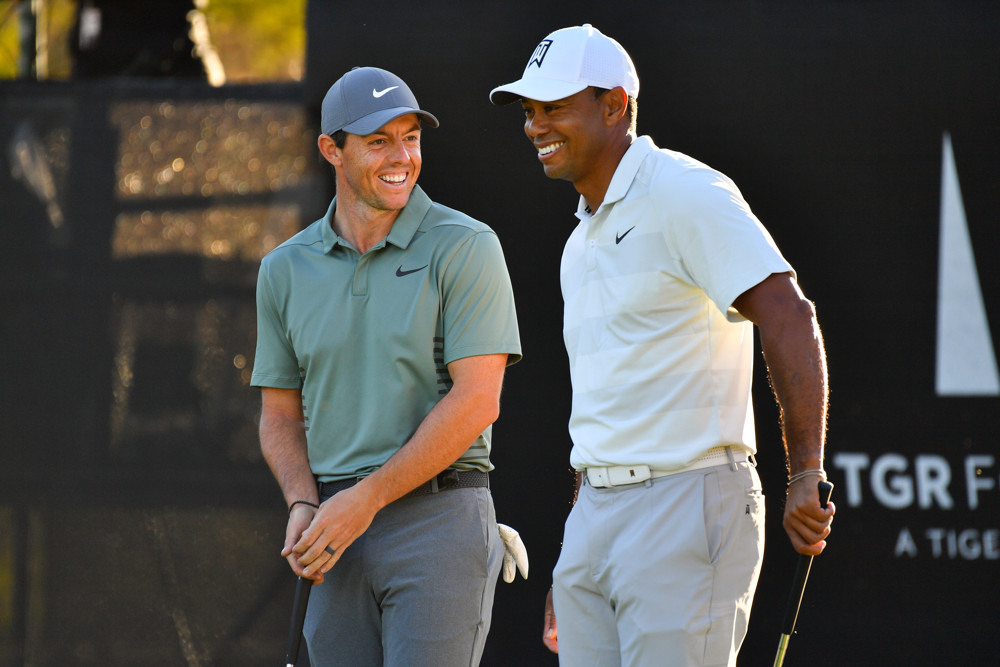
The PGA Tour has unveiled a groundbreaking player equity program designed to retain its star talent and secure their loyalty in the face of growing competition from rival tour LIV Golf. At the heart of this initiative is an impressive $930 million equity distribution plan, aiming to reward players not only for their performance on the course but also for their ability to draw fans and sponsors. Key figures like Tiger Woods and Rory McIlroy have emerged as prominent beneficiaries of this program, with Woods alone reported to receive an eye-watering sum for his continued allegiance.
Background of the PGA Tour’s Equity Program
In response to the emergence of LIV Golf and its substantial financial incentives luring players away, the PGA Tour has strategically developed its Equity Program to counteract these offers and foster a sense of loyalty among its ranks. This program, detailed for the first time in 2024, represents a significant shift in how golf’s premier tour compensates its athletes, prioritizing not just wins and rankings but also their contributions to the sport’s marketability and fan engagement.
The $930 million equity program is not a simple payout system but rather a sophisticated scheme designed to allocate funds based on various criteria including media impact, sponsorship attraction, and overall engagement with the golfing public. This initiative is part of a broader strategy to stabilize the tour’s future, ensuring that top talents remain within the PGA ecosystem and continue to enhance its competitive and commercial appeal.
The PGA has structured these payouts to be both competitive and rewarding, ensuring that players who commit to the tour schedules and contribute positively to the sport’s image receive financial benefits that could rival any external offers. By doing so, the PGA Tour aims to maintain its status as the pinnacle of professional golf, offering not only prestige and tradition but also financial security to its most valuable players.
Whether or not they remain the premier golf product remains to be seen. The Equity Program is a step in the right direction, but it remains limited. The numbers being discussed are large, but the money backing LIV is seemingly endless. Therefore this feels like a move the PGA Tour was forced to make, and though it makes sense and appears like a win right now, it also sets a benchmark for LIV to work from.
Imagine This
Imagine you are a young talented golfer, and LIV comes knocking and they offer you twice as much money as the PGA Tour gave Tiger Woods. That would be $200 million, a figure that multiple LIV golfers have exceeded. That’s going to be tough to turn down. So while it’s a good look for the PGA and garners short term positive PR, the longterm impacts could be devastating.
Tiger Woods’ Impact and Earnings
Tiger Woods, arguably the most influential figure in modern golf, has not only shaped the sport with his unparalleled achievements but has also significantly boosted the PGA Tour’s commercial success. Recognized for drawing massive crowds and elevating television ratings, Woods has been handsomely rewarded under the PGA Tour’s new equity program. Reports indicate that Woods could receive as much as $100 million for his loyalty and contributions to the tour, a testament to his lasting impact on the game.

Woods’ ability to attract attention goes beyond mere tournament wins; it encompasses his widespread appeal and marketability which have been crucial in negotiations with sponsors and media partners. The PGA Tour has leveraged this star power by structuring part of the equity program to reward players who enhance the tour’s visibility and profitability.
Furthermore, Tiger Woods’ commitment to the PGA Tour amidst lucrative offers from competing leagues like LIV Golf underscores his influence and loyalty. This strategic move by the PGA Tour to retain Woods with a substantial equity payout not only secures a marquee player but also sends a strong message to other professionals about the long-term benefits and prestige associated with staying on the tour.
Rory McIlroy’s Role and Rewards
Rory McIlroy, a luminary of the golf world, has benefited significantly from the PGA Tour’s new equity program. Known for his charisma and competitive spirit, McIlroy has been a central figure in promoting the tour and enhancing its global appeal. Reports suggest that McIlroy’s payouts under this program are substantial, which feels proper given how much he defended the PGA against LIV.
In addition to his financial earnings, McIlroy’s commitment to the PGA Tour extends into leadership roles. Following the announcement of the equity program, he rejoined the PGA Tour policy board, underscoring his influence and dedication to shaping the future of the tour. This move feels like a leverage play by Rory, as he had previously left the board citing disappoint in PGA Tour decision making related to LIV Golf relations.
Like Tiger Woods, McIlroy’s influence extends beyond his leaderboard standings. He has been instrumental in shaping the tour’s image and ensuring that it remains attractive to a global audience. His frequent interactions with the media and active social media presence contribute significantly to his market value, which the PGA Tour has recognized and compensated through their equity distribution scheme.
Other Notable Golfers Benefiting from the PGA Tour’s Loyalty Payments
While Tiger Woods and Rory McIlroy have garnered significant attention for their substantial equity payouts, they are not the only golfers reaping the rewards of the PGA Tour’s loyalty program. Several other top-tier players have also received impressive payments, underscoring the Tour’s commitment to retaining its elite talent.

Justin Thomas and Jordan Spieth are among the other marquee names who have benefitted greatly from this program, with each reportedly receiving around $30 million. These payments reflect their consistent high-level performance and crucial roles in promoting the PGA Tour and enhancing its appeal to fans and sponsors alike.
The equity payments are distributed based on a combination of factors, including playing accomplishments, future participation, and tour status. These are broken into four categories:
- Group 1: Consists of $750 million in aggregate equity based on career performance, last 5-year performance, and Player Impact Program results, benefiting 36 players.
- Group 2: Consists of $75 million in aggregate equity granted to 64 players based on the last 3-year performance.
- Group 3: Consists of $30 million in aggregate equity and was granted to 57 players who have earned certain fully-exempt PGA Tour status categories.
- Group 4: Consists of $75 million in aggregate equity and was granted to 36 players who were instrumental in building the modern PGA Tour, based on career performance.
These strategic payouts are part of the PGA Tour’s broader effort to create a stable and attractive environment for professional golfers, countering more lucrative offers from competing leagues. By investing in its most visible and influential players, the PGA Tour aims to solidify its position as the foremost professional golf tour globally, ensuring it remains the preferred choice for the world’s best golfers.
Comparison with LIV Golf Payments
The emergence of LIV Golf introduced a new dynamic in professional golf, characterized by its lucrative offers to players. This has compelled the PGA Tour to reassess its compensation strategies, leading to the implementation of the $930 million equity program. Time to compare the financial incentives of both tours to see how they stack up.
LIV Golf has been notable for its incredibly lucrative guaranteed payouts, which have attracted several top players away from the PGA Tour. These payouts are often significantly higher than traditional earnings in golf, offering guaranteed sums simply for participation, aside from prize money from tournament wins. For example, Jon Rahm and Phil Mickelson both reportedly received more than $200 million guaranteed to join LIV Golf, Bryson DeChambeau reportedly received around $125 million, Cameron Smith $100 million, and Tyrrell Hatton $60 million, making these deals hard to match in terms of upfront financial benefits.
In contrast, the PGA Tour’s approach with its equity program is more multifaceted. It not only considers current performance but also career achievements and potential future contributions to the sport. While it might not offer the immediate cash incentives of LIV Golf, it provides long-term financial security and benefits aligned with the tour’s growth. The equity stakes given to players like Tiger Woods and Rory McIlroy are structured to appreciate over time, offering them a vested interest in the continuing success and expansion of the tour.
The Business Model Behind the PGA Tour’s Payouts
The PGA Tour’s $930 million equity program is a critical part of its broader strategy to retain top talent and ensure the tour’s sustainability and growth. This innovative approach not only serves to counter lucrative offers from competitors like LIV Golf but also aligns the interests of the players with the long-term health of the tour.
Funding the Program
The equity program is financed through a combination of PGA Tour revenues, strategic investments, and partnerships. The tour has secured substantial funding from entities such as the Strategic Sports Group, which reflects a confidence in the PGA Tour’s business model and its future prospects. These investments are directed into PGA Tour Enterprises, a for-profit arm created to manage the tour’s commercial operations and rights. The initial investment of $1.5 billion into PGA Tour Enterprises underpins the equity grants, with the expectation that this value will grow as the tour expands its global reach and enhances its media and sponsorship deals.
Conclusion
The PGA Tour’s introduction of a $930 million equity program represents a transformative shift in how professional golf leagues compensate and retain their top talent. By offering substantial equity stakes based on performance, loyalty, and marketability, the PGA Tour has set a new standard in sports compensation, aiming to foster a deeper commitment from its players.
Frequently Asked Questions
What is the PGA Tour’s Equity Program?
The PGA Tour’s Equity Program is a financial initiative designed to retain top golf talent by offering them equity stakes based on various performance metrics, including career achievements and marketability. This program is part of a broader strategy to ensure that the PGA Tour remains competitive with other leagues, particularly in light of the financial incentives offered by LIV Golf.
How much are players like Tiger Woods and Rory McIlroy earning from the program?
Tiger Woods and Rory McIlroy are among the top beneficiaries of the PGA Tour’s equity program, with Woods reportedly receiving around $100 million and McIlroy about $50 million. These figures reflect their contributions to the sport in terms of performance, popularity, and marketability.
How does the PGA Tour’s equity program compare to LIV Golf’s payment offers?
While LIV Golf offers significant upfront payments to attract players, the PGA Tour’s equity program provides long-term financial benefits based on the tour’s growth and profitability. This includes equity stakes that appreciate over time, offering a vested interest in the ongoing success of the PGA Tour.
What are the criteria for receiving equity grants from the PGA Tour?
Equity grants are awarded based on a combination of factors, including a player’s career achievements, recent performance, and potential future contributions to the tour’s success. The program is designed to reward those who enhance the PGA Tour’s brand and financial health.